

Clubfoot (Congenital Talipes Equinovarus) – Overview
Clubfoot, medically known as Congenital Talipes Equinovarus (CTEV), is a congenital condition where one or both feet are twisted inward and downward. This deformity occurs due to the abnormal development of muscles, tendons, and bones in the foot during gestation. Affecting about 1 in every 1,000 live births globally, Clubfoot is one of the most common congenital deformities of the musculoskeletal system.
In the UK, early diagnosis and intervention are critical in managing Clubfoot effectively, ensuring affected individuals lead active and fulfilling lives.
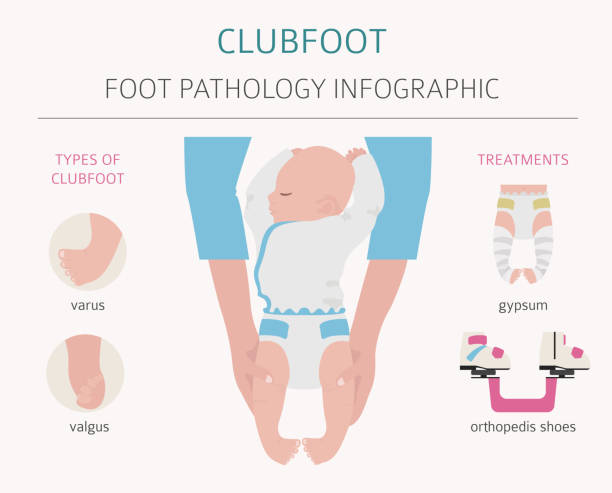
Types of Clubfoot
- Idiopathic Clubfoot: Most common and occurs without any associated conditions.
- Syndromic Clubfoot: Associated with other congenital abnormalities like spina bifida or arthrogryposis.
- Positional Clubfoot: Resulting from restricted movement in the womb, usually correctable with physiotherapy.
Causes and Risk Factors
While the exact cause of Clubfoot remains unclear, a combination of genetic and environmental factors is believed to contribute. Common risk factors include:
- Family History: Increased likelihood if a parent or sibling has the condition.
- Maternal Factors: Smoking, drug use, or insufficient amniotic fluid during pregnancy.
- Genetic Syndromes: Conditions like Edward’s Syndrome may also cause Clubfoot.
Symptoms
- Foot twisted inward and downward.
- Shortened foot and calf muscles.
- Limited range of motion in the ankle.
- Difficulty walking if untreated.
Diagnosis
Clubfoot is often diagnosed during pregnancy via routine ultrasound scans or immediately after birth through a physical examination. Early detection ensures timely intervention, improving treatment outcomes significantly.
Treatment Approaches for Clubfoot
Ponseti Method
The most widely used treatment, this involves:
- Gentle manipulation of the foot into a corrected position.
- Application of a series of casts to maintain the position.
- A minor surgical procedure (tenotomy) to release tight Achilles tendons.
- Bracing to prevent recurrence.
French Functional Method
This physiotherapy-driven approach involves stretching, taping, and splinting techniques, requiring a skilled therapist.
Surgical Intervention
In severe or resistant cases, surgery may be necessary to correct the deformity. Procedures may involve tendon transfer or osteotomy.
Physiotherapy for Clubfoot at PhysioElm
At PhysioElm, we provide specialised physiotherapy for children with Clubfoot. Our services include:
- Stretching and Strengthening Exercises: Tailored to improve foot alignment and function.
- Gait Training: Helping children learn proper walking patterns.
- Parental Guidance: Training parents to continue exercises at home.
Our experienced therapists work collaboratively with families to ensure every child achieves optimal outcomes.
Living with Clubfoot
Prognosis
With timely and appropriate care, most children with Clubfoot lead active, unrestricted lives. Regular follow-ups and adherence to treatment plans are essential to prevent recurrence.
Support Services in the UK
Families in the UK have access to various resources and support groups, including the NHS and organisations like STEPS Charity, which provides guidance to families of children with lower limb conditions.
The Importance of Physiotherapy
Physiotherapy plays a pivotal role in both non-surgical and post-surgical management of Clubfoot. At PhysioElm, we ensure each child receives individualised care to enhance mobility and quality of life.
Conclusion
Clubfoot is a manageable condition with proper intervention. The combination of early diagnosis, innovative techniques like the Ponseti method, and consistent physiotherapy can help children overcome challenges and achieve their full potential.
At PhysioElm, we are dedicated to supporting families across the UK with expert physiotherapy services for children with Clubfoot. Book an appointment today to learn more about how we can help your child step confidently into the future.
- Club foot – structural Congenital Talipes Equino Varus (CTEV) – PDF

- Congenital Talipes Equinovarus or ‘Clubfoot’ A Guide for Parents – PDF
- Talipes Clubfoot – The Parents’ Guide – PDF
- Positional Talipes/Positional Clubfoot (Factsheet) – PDF