

Empowering Guide to Multiple Sclerosis: Understanding, Symptoms, and Support
What Is Multiple Sclerosis?
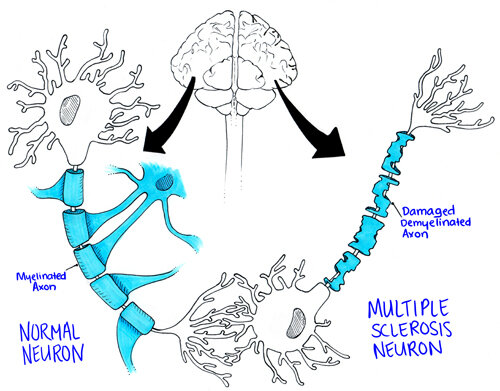
Multiple Sclerosis (MS) is a chronic autoimmune disorder affecting the central nervous system, leading to a range of physical and cognitive impairments. In the UK, MS is a significant health concern, with thousands of individuals diagnosed annually. The disease occurs when the immune system mistakenly attacks the protective myelin sheath covering nerve fibres in the brain and spinal cord. This damage disrupts nerve signals, resulting in symptoms that vary widely among individuals. The exact cause of MS remains unknown, but it is considered an immune-mediated disease.
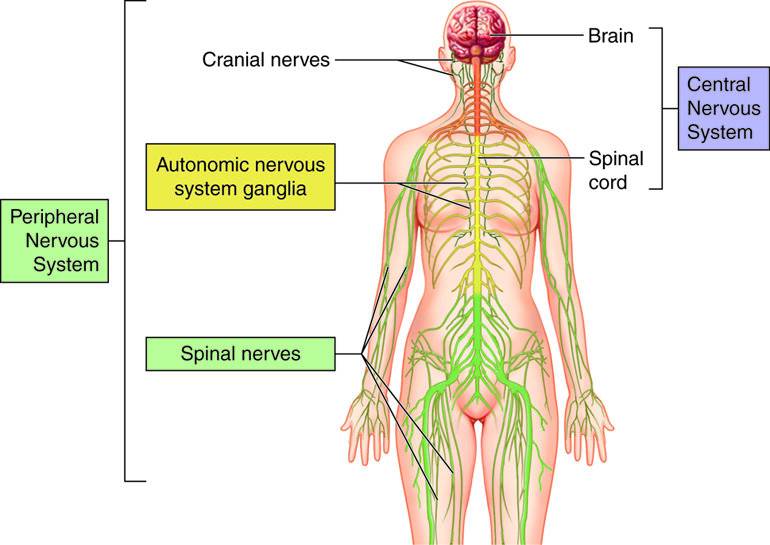
MS is typically classified into different types:
- Relapsing-Remitting MS (RRMS) – The most common form, characterised by flare-ups followed by periods of remission.
- Primary Progressive MS (PPMS) – Marked by a gradual worsening of symptoms without distinct relapses.
- Secondary Progressive MS (SPMS) – A later stage of RRMS where symptoms steadily progress.
- Progressive-Relapsing MS (PRMS) – A rare form with continuous worsening from the beginning, along with occasional relapses.
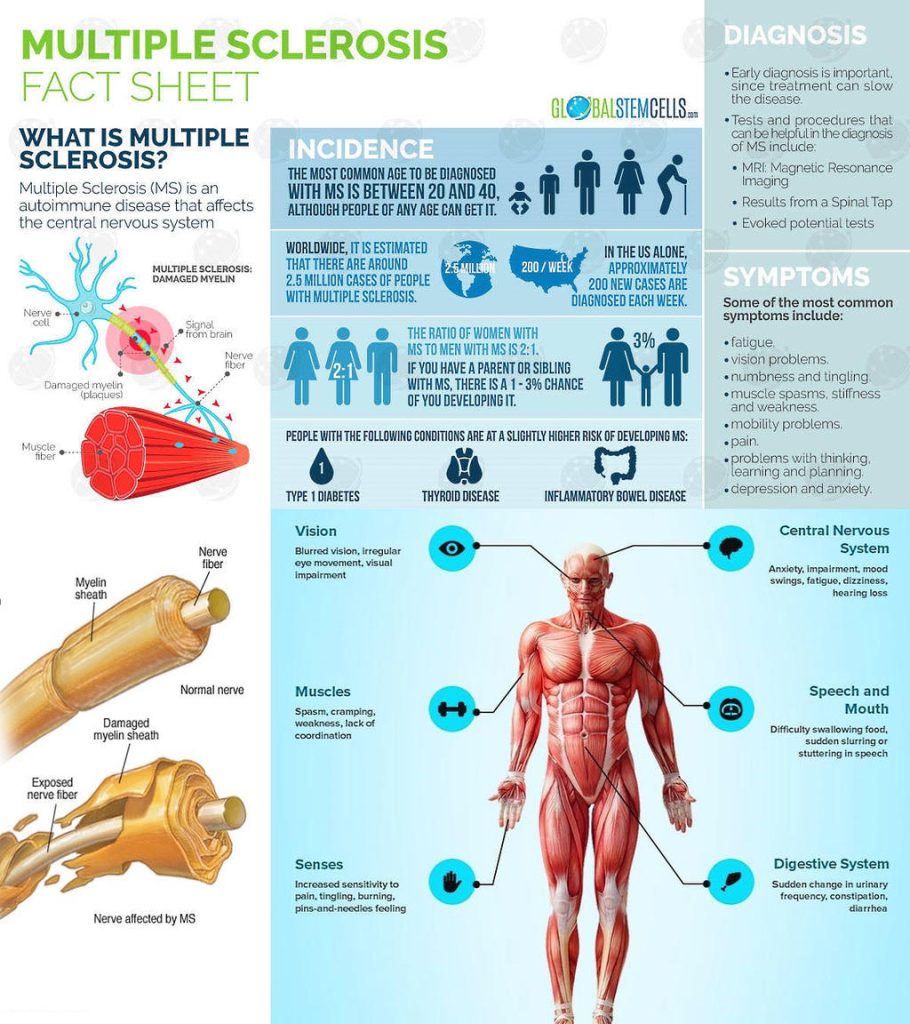
Multiple Sclerosis Symptoms
The symptoms of MS are diverse and can change in severity over time. Common symptoms include:
- Fatigue – A prevalent symptom causing persistent exhaustion.
- Numbness and Tingling – Often affecting the face, body, or extremities.
- Muscle Weakness and Spasms – Leading to mobility challenges and difficulty walking.
- Vision Problems – Such as double vision or optic neuritis, causing pain with eye movement and vision loss.
- Balance and Coordination Issues – Resulting in clumsiness or loss of motor control.
- Bladder and Bowel Dysfunction – Including frequency, urgency, or incontinence.
- Cognitive Impairment – Affecting memory, problem-solving, and concentration.
- Speech and Swallowing Difficulties – MS can impact the muscles involved in speaking and eating.
- Mood Changes and Depression – Due to both the disease and its emotional toll.
Multiple Sclerosis Symptoms in Females
MS is more common in females, who may experience unique challenges:
- Menstrual Cycle – Symptoms can worsen around menstruation due to hormonal fluctuations.
- Pregnancy – Symptoms may temporarily ease during pregnancy, but there is a risk of relapse postpartum.
- Menopause – Fatigue and bladder problems may intensify due to hormonal changes.
What Causes Multiple Sclerosis?
The exact cause of MS remains unknown, but a combination of genetic, environmental, and lifestyle factors may contribute. Some potential triggers include:
- Genetics – Although MS is not directly inherited, having a close relative with MS slightly increases the risk.
- Infections – Certain viral infections, like Epstein-Barr virus (EBV), have been linked to MS.
- Vitamin D Deficiency – Low levels of sunlight exposure may increase the likelihood of developing MS.
- Smoking – Tobacco use has been associated with an increased risk and faster progression of MS.
- Obesity – Particularly in childhood and adolescence, obesity may be a risk factor for MS.
Is Multiple Sclerosis a Hereditary Disease?
MS is not directly inherited from parent to child. There is no single gene that causes it, but over 200 genes may influence the likelihood of developing MS. However, genes alone are not the determining factor—environmental influences play a significant role. If a close relative has MS, the risk of developing it is slightly higher, but it is not guaranteed.
Multiple Sclerosis Life Expectancy
While MS is a lifelong condition, it is not typically fatal. With modern advancements in treatment, life expectancy for individuals with MS has improved significantly, bringing it closer to that of the general population. However, severe symptoms and complications can impact quality of life, and some may experience disability progression over time.
Managing Multiple Sclerosis
There is currently no cure for MS, but various treatment options help manage symptoms and slow disease progression. These include:
- Disease-Modifying Therapies (DMTs) – Medications that help reduce relapses and delay progression.
- Physiotherapy – Improves mobility, strength, and coordination.
- Occupational Therapy – Helps individuals adapt their environment for easier daily functioning.
- Speech Therapy – Assists those experiencing speech and swallowing difficulties.
- Lifestyle Modifications – Healthy eating, regular exercise, and stress management can improve well-being.
The Role of Physiotherapy in MS Management
Physiotherapy plays a crucial role in managing MS symptoms, enhancing mobility, and improving quality of life. Key physiotherapy interventions include:
- Strength and Endurance Training – To maintain muscle function and prevent atrophy.
- Balance and Coordination Exercises – Helping to reduce falls and improve stability.
- Stretching and Flexibility Routines – Preventing muscle stiffness and spasms.
- Gait Training – Assisting individuals with walking difficulties.
- Hydrotherapy – Water-based exercises can ease movement and reduce strain.
How PhysioElm Can Help Individuals with MS
At PhysioElm, we specialise in providing expert paediatric physiotherapy and neurological physiotherapy services for individuals living with MS in the UK. Our approach focuses on:
- Personalised Exercise Programmes – Designed to improve mobility, balance, and muscle strength.
- Fatigue Management Strategies – Helping patients conserve energy for essential activities.
- Pain Management Techniques – Including manual therapy, massage, and relaxation methods.
- Bladder and Bowel Training – Addressing dysfunctions for improved comfort.
- Cognitive Rehabilitation – Supporting individuals with memory and concentration difficulties.
- Postural Training and Walking Aids – Enhancing stability and mobility.
Our physiotherapists work closely with MS patients to create structured rehabilitation plans that promote independence and improve quality of life. Whether you are newly diagnosed or managing advanced symptoms, PhysioElm offers comprehensive physiotherapy solutions that make a difference. Book an appointment today.
- Multiple Sclerosis

- What is Multiple Sclerosis (MS)? – PDF
- Multiple Sclerosis (MS) Treatment Flowchart – Suspected – PDF
- Treatment Algorithm for Multiple Sclerosis Disease – Modifying Therapies – PDF
- Treatment of a Multiple Sclerosis Relapse – PDF