

Ankle Sprain: Causes, Symptoms, and Recovery
Ankle sprains are one of the most common musculoskeletal injuries, affecting athletes, fitness enthusiasts, and everyday individuals alike. A sprained ankle occurs when the ligaments supporting the joint are overstretched or torn due to sudden twisting or rolling movements. Whether it’s a mild ligament stretch or a severe tear, understanding the condition and seeking proper treatment can make all the difference in recovery.
What is an Ankle Sprain?
An ankle sprain happens when the ligaments that stabilise the ankle joint are damaged due to excessive movement beyond their normal range. The most frequent type is a lateral ankle sprain, caused by rolling the foot inwards. A less common but more severe form is the High Ankle Sprain (Syndesmotic Ankle Sprain), which affects the ligaments above the ankle and is common in sports like football and rugby.
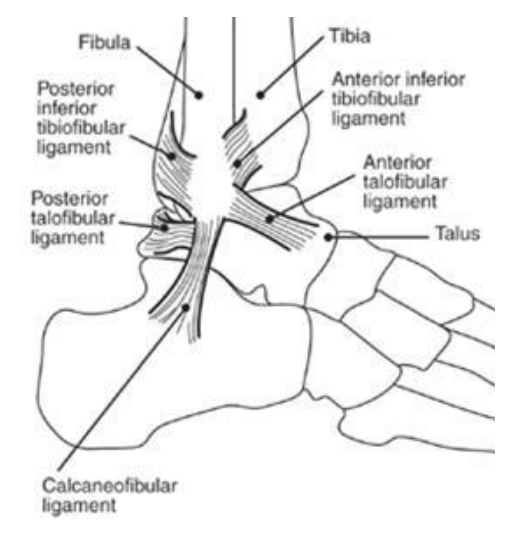
Common Causes of Ankle Sprains
- Sudden twisting or rolling of the foot
- Uneven surfaces or poor footwear support
- Landing awkwardly from a jump
- Sports that require quick changes in direction
- Weak or imbalanced ankle muscles
Symptoms of an Ankle Sprain
- Pain, particularly when bearing weight
- Swelling and bruising around the joint
- Reduced range of motion
- Tenderness to touch
- Instability or difficulty walking
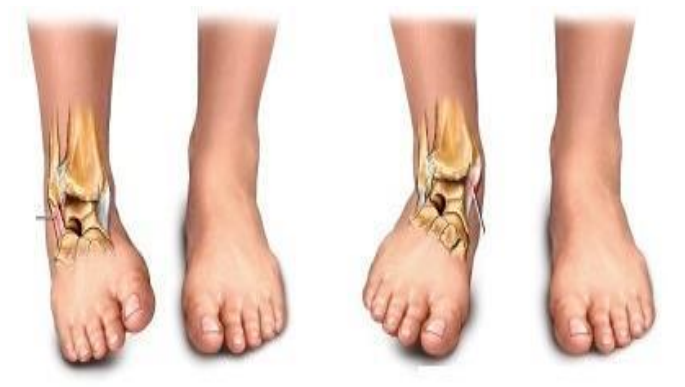
What to Do for an Ankle Sprain
Immediate management of an ankle sprain is crucial for effective healing. The PRICE method is the gold standard for initial care:
- Protection – Avoid putting weight on the injured ankle.
- Rest – Limit movement to prevent further damage.
- Ice – Apply cold therapy for 15-20 minutes every few hours.
- Compression – Use an elastic bandage to reduce swelling.
- Elevation – Keep the foot elevated above heart level to reduce inflammation.
For more severe sprains, professional physiotherapy can help speed up recovery and prevent chronic instability.
Understanding High Ankle Sprain (Syndesmotic Ankle Sprain)
Unlike standard ankle sprains, a high ankle sprain affects the syndesmosis—the connective tissue between the tibia and fibula. This injury is typically more painful and takes longer to heal. Symptoms include:
- Pain above the ankle joint
- Difficulty walking or pushing off the foot
- Swelling that may extend up the leg
Treatment usually involves longer immobilisation and a structured physiotherapy programme to restore function.
Effective Ankle Sprain Support and Rehabilitation
At PhysioElm, we specialise in evidence-based rehabilitation strategies for ankle injuries. Our approach includes:
Manual Therapy and Joint Mobilisation
Gentle manipulation techniques can help restore normal joint movement and reduce stiffness.
Strengthening Exercises for Recovery
Targeted exercises help rebuild stability and prevent re-injury:
- Resistance band exercises to restore ankle control
- Calf raises for improved lower leg strength
- Balance training to enhance proprioception
Gait Training and Postural Correction
Proper walking techniques can prevent excessive strain on the healing ligaments.
Custom Orthotics and Support Braces
Ankle braces and taping techniques provide additional support during recovery and return to activity.
When to Seek Professional Help
While mild sprains can heal with self-care, medical evaluation is necessary if:
- The pain is severe and persistent
- There is significant swelling or bruising
- Walking remains difficult after a few days
- There is instability in the ankle
Our HCPC-registered physiotherapists at PhysioElm offer expert assessment and rehabilitation plans to promote complete recovery and long-term joint health.
Strengthening Your Ankles to Prevent Future Injuries
Prevention is key in avoiding repeated ankle sprains. Incorporating the following into your routine can help strengthen the ankle and reduce injury risk:
- Regular stretching to improve flexibility
- Strength training for better muscle support
- Wearing proper footwear for optimal support
- Gradual return to sports after an injury
Restoring Mobility and Confidence
Recovering from an ankle sprain isn’t just about reducing pain—it’s about regaining confidence in movement. At PhysioElm, we help clients get back on their feet with comprehensive rehabilitation and injury prevention strategies. Our goal is to not only treat the injury but also ensure long-term ankle health so you can stay active without fear of re-injury. Book an appointment today.
- Ankle Sprain: Information for Patients – PDF

- Ankle Sprains: A Patient’s Guide – PDF
- Ankle Sprains: Advice and Treatment – PDF
- Ankle Sprain ED Leaflet