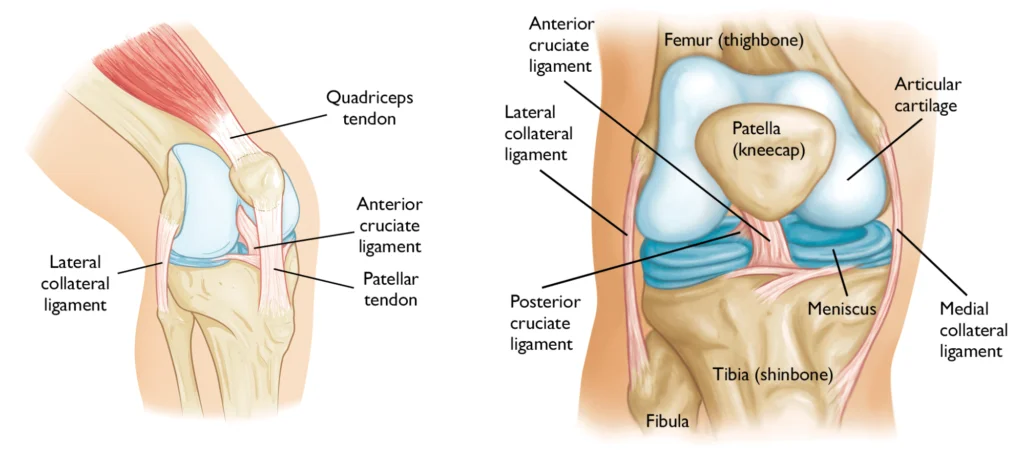
In this article, we’ll dive into what knee osteoarthritis is, what causes it, the common symptoms, and the best treatments for managing it.

Table of Contents
ToggleIntroduction
Knee osteoarthritis (OA) is a common joint condition that affects millions of people worldwide. It’s a leading cause of knee pain and stiffness, and although it’s often linked to ageing, OA can develop due to a range of factors. Fortunately, several effective treatments can help manage symptoms and improve mobility. In this article, we’ll dive into what knee osteoarthritis is, what causes it, the common symptoms, and the best treatments for managing it.
If you’re experiencing symptoms, it’s a good idea to speak with a healthcare professional to find the best treatment plan for you.
1. What is Knee Osteoarthritis?
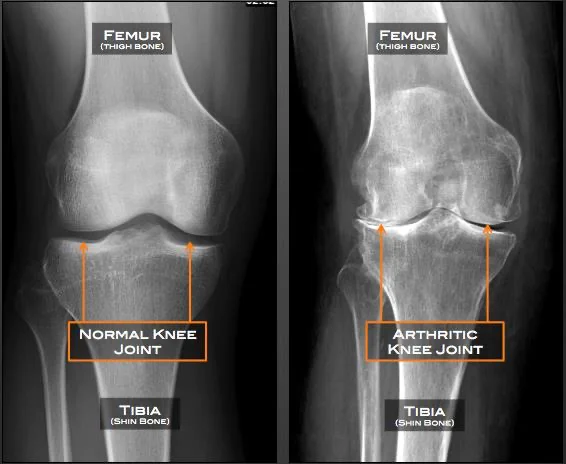
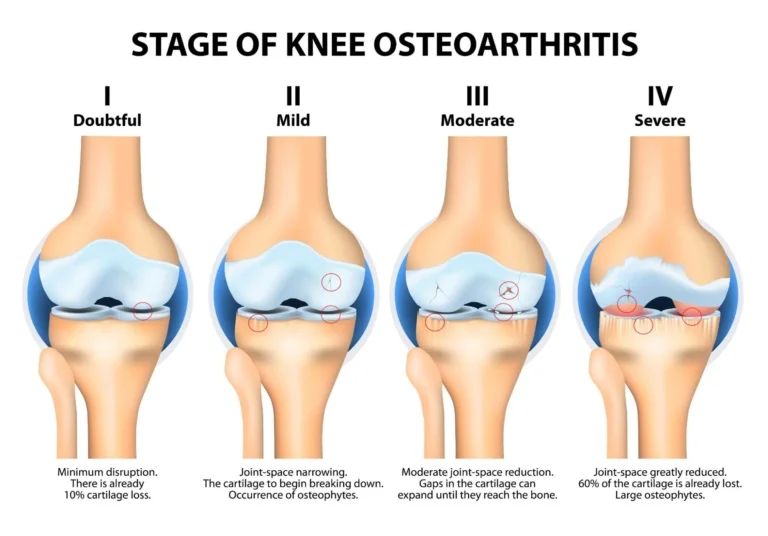
Knee osteoarthritis is a degenerative joint condition where the cartilage in the knee –the cushioning tissue that allows smooth movement between bones– gradually breaks down. This degeneration causes the bones to rub against each other, leading to pain, swelling, and restricted movement. Knee OA is progressive, meaning it worsens over time, but there are ways to slow it down and make day-to-day life easier.
2. Causes and Risk Factors:
While age is the most common risk factor, knee OA can have other causes, including:
Knee OA often runs in families, so some people are genetically more prone to it.
Carrying extra weight puts added pressure on knee joints, accelerating cartilage breakdown.
Past knee injuries, from sports or repetitive movements, can lead to OA.
Weak muscles around the knee or an abnormal gait can place excess stress on the joint.
3. Recognising the Symptoms of Knee Osteoarthritis:
Symptoms of knee osteoarthritis can vary, but here are the most common ones:
- Pain: Often felt during or after movement, and may worsen by the end of the day.
- Stiffness: Typically more noticeable in the morning or after resting.
- Swelling and Tenderness: The knee may appear swollen and feel tender to touch.
- Reduced Range of Motion: Bending or straightening the knee fully might become harder over time.
- Cracking or Grinding Sensations: As cartilage erodes, the knee can produce popping or grinding sounds.
4. Diagnosing Knee Osteoarthritis:
To diagnose knee OA, a healthcare professional will usually examine the knee, discuss symptoms, and may recommend an X-ray or MRI to assess cartilage damage. Sometimes blood tests are used to rule out other types of arthritis, like rheumatoid arthritis.
5. Treatment Options for Knee Osteoarthritis:
Managing knee osteoarthritis typically involves a blend of lifestyle changes, therapies, and sometimes medical interventions:
- Lifestyle Adjustments: Maintaining a healthy weight and staying active can significantly reduce knee pain and slow OA progression.
- Physiotherapy: Physiotherapy is a cornerstone of OA management. Strengthening exercises target the muscles around the knee, providing joint support. Simple exercises like knee extensions, leg raises, and quad strengthening are particularly effective.
- Medication: Over-the-counter pain relief, such as paracetamol or ibuprofen, can help with daily pain. In some cases, doctors may prescribe stronger pain medication.
- Assistive Devices: Knee braces or supports can help stabilise the joint, relieving pain and reducing the risk of further strain.
- Advanced Treatments:
- Injections: Steroid injections can provide short-term relief for severe pain, while hyaluronic acid injections help lubricate the joint.
- Surgery: For advanced cases, knee replacement surgery may be an option when other treatments haven’t provided relief.
6. How Physiotherapy Helps Manage Knee Osteoarthritis?
Physiotherapy plays a significant role in managing knee osteoarthritis. Physiotherapists work on strengthening the muscles around the knee, improving stability and reducing pain. Here are a few common techniques used in physiotherapy for knee OA:
- Strengthening Exercises: Exercises focused on the quadriceps, hamstrings, and calves can provide much-needed support for the knee joint.
- Range of Motion Exercises: Gentle stretches and movements help maintain flexibility and reduce stiffness.
- Heat and Ice Therapy: Applying heat can relax tight muscles, while ice helps control swelling after activity.
- Education: Physiotherapists also provide tips on managing OA at home, teaching safe exercise techniques and lifestyle adjustments.
7. Tips for Managing Knee Osteoarthritis at Home:
Living with knee osteoarthritis may require some adjustments, but a few lifestyle changes can help maintain comfort and mobility:
- Stay Active: Low-impact activities like swimming, cycling, and walking can keep your joints moving without adding strain.
- Adjust Your Diet: Foods rich in omega-3 fatty acids and antioxidants, like fish and berries, can help reduce joint inflammation.
- Pain Management: Use a combination of heat and ice to manage discomfort after activities.
- Mindful Movement: Avoid activities that stress the knees and be mindful of your alignment and posture.
Conclusion
Knee osteoarthritis can be a challenging condition, but with the right mix of treatments and lifestyle adjustments, it’s possible to manage symptoms and stay active. Early intervention, physiotherapy, and maintaining a healthy lifestyle all contribute to improving quality of life with OA. If you’re experiencing symptoms, it’s a good idea to speak with a healthcare professional to find the best treatment plan for you. Remember, managing knee osteoarthritis today can make a big difference for years to come.

Book Your Physio Appointment Online – Fast, Simple, Personalised Care
Tags:arthritis in kneeseffective treatments for knee osteoarthritisimprove mobilityknee joint pain reliefKnee Osteoarthritisknee osteoarthritis managementknee osteoarthritis treatment UKknee pain and stiffnessknee pain causesosteoarthritis exercisesosteoarthritis symptomsosteoarthritis UKphysiotherapyphysiotherapy for knee osteoarthritisrecoveryrehab