

Juvenile Idiopathic Arthritis: An Overview
Juvenile Idiopathic Arthritis (JIA), previously referred to as Juvenile Rheumatoid Arthritis, is the most common form of arthritis in children under 16. It is a chronic autoimmune condition characterised by persistent joint inflammation, leading to pain, stiffness, and swelling. This condition can affect any joint in the body and may cause complications such as growth disturbances and vision problems.
In the UK, thousands of children live with JIA, which has a significant impact on their quality of life and overall development. However, with early diagnosis and tailored care, many young individuals can manage their symptoms effectively and lead fulfilling lives.
Types of Juvenile Idiopathic Arthritis
JIA is a collective term for various types of arthritis affecting children. Key subtypes include:
- Oligoarticular JIA: Affects four or fewer joints, often large ones like knees or elbows.
- Polyarticular JIA: Involves five or more joints, including smaller joints like those in hands and feet.
- Systemic JIA: Accompanied by systemic symptoms such as fever, rash, and organ inflammation.
- Enthesitis-Related JIA: Targets the entheses (where tendons attach to bones), often affecting larger joints and the spine.
- Psoriatic JIA: Associated with psoriasis, this type can also involve dactylitis (swelling of entire fingers or toes).
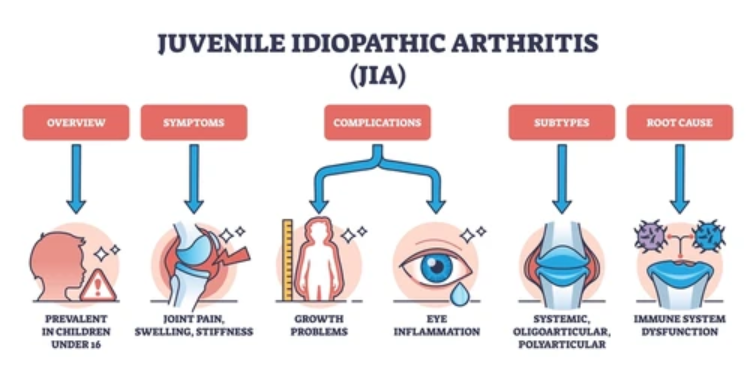
Each subtype presents differently and requires a unique management approach.
Symptoms and Causes of JIA
The symptoms of Juvenile Idiopathic Arthritis can vary, but common indicators include:
- Persistent joint pain and swelling.
- Stiffness, particularly in the morning.
- Fatigue and reduced activity levels.
- Growth disturbances or uneven limb lengths in severe cases.
While the exact cause of JIA is not fully understood, it is believed to involve a combination of genetic predisposition and environmental factors that trigger an abnormal immune response.
Diagnosis and Treatment
Diagnosing JIA involves a combination of physical examination, medical history analysis, and tests like blood work or imaging studies to rule out other conditions. Early detection is crucial for effective management and reducing the risk of long-term joint damage.
Treatment Options:
- Medication: Non-steroidal anti-inflammatory drugs (NSAIDs), disease-modifying anti-rheumatic drugs (DMARDs), or biologics help control inflammation and prevent joint damage.
- Physiotherapy: Essential for maintaining joint mobility, strengthening muscles, and improving overall function.
- Lifestyle Adjustments: Balancing rest with physical activity and maintaining a healthy weight to reduce joint strain.
- Surgery: Rarely required but may be necessary in severe cases to correct joint deformities.
How PhysioElm Supports JIA Management
At PhysioElm, we specialise in providing compassionate and personalised care for children living with Juvenile Idiopathic Arthritis in the UK. Our services are designed to improve mobility, reduce pain, and enhance the overall well-being of young patients.
Key Services:
- Bespoke Physiotherapy Plans: Tailored exercises and techniques to maintain joint health and reduce stiffness.
- Parental Guidance: Educating parents about JIA and providing strategies to support their child’s daily needs.
- Virtual Consultations: Accessible physiotherapy sessions from the comfort of your home.
- Pain Management Techniques: Non-invasive methods to alleviate discomfort and improve functionality.
Benefits of Choosing PhysioElm
- Expert paediatric physiotherapists dedicated to young patients.
- Holistic care that integrates physical, emotional, and social support.
- Flexible appointments, including online sessions, to suit family schedules.
- Emphasis on long-term health and preventing complications.
Living with Juvenile Idiopathic Arthritis
Living with JIA presents unique challenges, but with proper management, children can participate in most activities enjoyed by their peers. At PhysioElm, we focus on empowering families with the knowledge and tools they need to navigate life with this condition. By fostering a positive outlook and emphasising proactive care, we aim to improve outcomes and quality of life for every child we work with.
Conclusion
Juvenile Idiopathic Arthritis is a complex yet manageable condition with the right care and support. PhysioElm stands as a trusted partner for families in the UK, offering innovative and compassionate physiotherapy solutions to help children thrive despite JIA’s challenges.
Take the first step towards better management and a brighter future. Book an appointment to learn more about our personalised care plans and book a consultation today.