

Parkinson’s Disease and Neuro Rehabilitation – Introduction
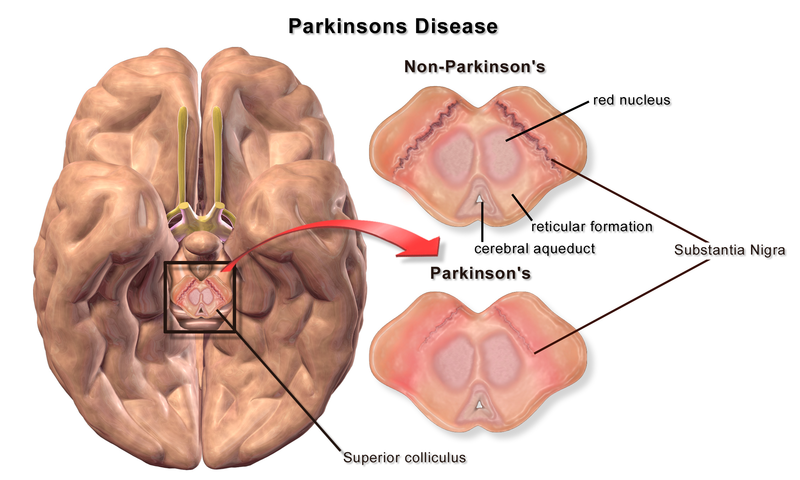
Parkinson’s disease (PD) is a progressive neurological condition affecting movement, balance, and coordination. It is caused by the degeneration of dopamine-producing neurons in the brain, particularly in the substantia nigra. The condition leads to tremors, muscle stiffness, slow movements (bradykinesia), and postural instability. Parkinson’s disease is more common in older adults, but early-onset cases also exist.
Neuro rehabilitation plays a crucial role in managing Parkinson’s disease by improving mobility, enhancing balance, and maintaining independence. Specialist physiotherapy services, such as those provided by PhysioElm, offer comprehensive programmes to help individuals maintain quality of life.
Causes and Symptoms
Causes of Parkinson’s Disease
The exact cause of Parkinson’s disease is not fully understood, but researchers believe that a combination of genetic and environmental factors contributes to its development. Risk factors include:
- Age – Most cases occur after the age of 60.
- Genetics – Mutations in genes such as LRRK2 and SNCA have been linked to Parkinson’s.
- Environmental Factors – Exposure to pesticides and heavy metals may increase risk.
- Head Injuries – Traumatic brain injuries have been associated with an increased likelihood of developing PD.
Common Symptoms
Symptoms of Parkinson’s disease gradually worsen over time and vary between individuals. The primary symptoms include:
- Tremors – Involuntary shaking, often in the hands.
- Bradykinesia – Slowed movements, making daily tasks difficult.
- Muscle Rigidity – Stiffness affecting mobility and causing discomfort.
- Postural Instability – Poor balance leading to an increased risk of falls.
- Freezing Episodes – Sudden inability to move, especially when initiating steps.
- Speech and Swallowing Difficulties – Reduced facial expressions, slurred speech, and difficulty swallowing.
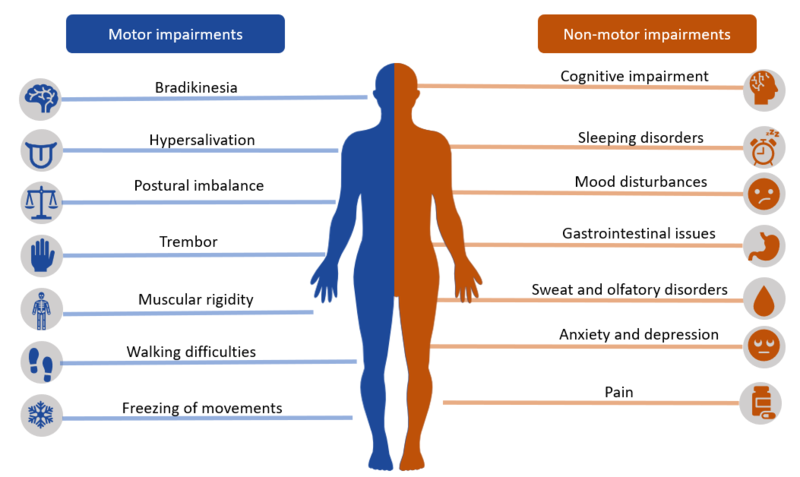
Other non-motor symptoms may include depression, sleep disturbances, memory problems, and digestive issues.
Neuro Rehabilitation for Parkinson’s Disease
Role of Physiotherapy in Parkinson’s Disease
Physiotherapy is an essential part of managing Parkinson’s disease. A structured neuro rehabilitation programme can improve motor function, enhance mobility, and reduce the risk of falls. PhysioElm provides personalised rehabilitation plans designed to meet individual needs.
Key Physiotherapy Techniques
- Gait Training – Focuses on improving walking patterns, stride length, and reducing shuffling movements.
- Balance Exercises – Helps prevent falls and improve stability during daily activities.
- Strength Training – Maintains muscle strength to support movement and posture.
- Flexibility Exercises – Reduces muscle stiffness and enhances range of motion.
- Cueing Techniques – Uses external triggers like metronomes or visual cues to overcome freezing episodes.
- Postural Training – Corrects posture and prevents forward-leaning tendencies common in PD.
- Speech and Swallowing Therapy – Addresses difficulties in communication and eating.
The Importance of Neuro Rehab
Neuro rehabilitation goes beyond physiotherapy. It involves a multidisciplinary approach, including occupational therapy, speech therapy, and lifestyle modifications. PhysioElm integrates various therapies to offer holistic care, ensuring that patients maintain independence for as long as possible.
Living with Parkinson’s Disease
Lifestyle and Home Adaptations
Adapting one’s lifestyle can make daily activities easier and improve quality of life. Some key adjustments include:
- Using Assistive Devices – Walking aids, grab bars, and adaptive utensils help with mobility and daily tasks.
- Maintaining an Active Lifestyle – Regular movement prevents stiffness and enhances physical function.
- Nutrition – A healthy diet rich in antioxidants and omega-3 fatty acids supports brain health.
- Mental Wellbeing – Cognitive exercises, mindfulness, and support groups help manage anxiety and depression.
Support for Caregivers
Caregivers play an essential role in managing Parkinson’s disease. Providing physical, emotional, and medical support can be challenging, and caregivers must also take care of their own well-being. Resources such as respite care and support networks can offer valuable assistance.
Why Choose PhysioElm for Parkinson’s Disease Rehabilitation?
At PhysioElm, we specialise in neuro rehabilitation for Parkinson’s disease. Our expert physiotherapists develop customised rehabilitation programmes designed to:
- Improve mobility and balance.
- Reduce falls and injury risks.
- Enhance daily function and independence.
- Provide support for patients and caregivers.
With a patient-centred approach, PhysioElm ensures that every individual receives expert care to manage symptoms effectively and maintain an active life.
Conclusion
Parkinson’s disease is a complex neurological disorder that affects movement, coordination, and overall quality of life. While there is no cure, neuro rehabilitation plays a critical role in managing symptoms and helping individuals maintain independence. Physiotherapy, strength training, balance exercises, and lifestyle modifications all contribute to improving mobility and reducing fall risks.
With the right support and rehabilitation programme, individuals with Parkinson’s can continue to live active and fulfilling lives. PhysioElm offers expert neuro rehabilitation services, ensuring that patients receive specialised care to manage their condition effectively.
If you or a loved one is living with Parkinson’s disease, seeking professional physiotherapy can make a significant difference. Contact PhysioElm to learn more about how our rehabilitation services can support your journey towards improved movement and well-being.