

Shoulder Pain and Shoulder Injury: Causes, Symptoms, and Physiotherapy Solutions
Shoulder pain is a common musculoskeletal complaint affecting people of all ages. It can result from acute injuries, repetitive strain, or degenerative conditions. Given the complexity of the shoulder joint, which provides a wide range of motion, it is highly susceptible to injuries such as rotator cuff tears, frozen shoulder, bursitis, and impingement syndrome.
Physiotherapy is widely recognised as one of the most effective treatments for shoulder injuries. At PhysioElm, we provide evidence-based rehabilitation programmes designed to restore function, reduce pain, and prevent further damage.
Understanding Shoulder Pain
Shoulder pain can stem from various sources, including soft tissue injuries, joint inflammation, or nerve-related conditions. The glenohumeral joint, which forms the primary shoulder structure, is stabilised by muscles, tendons, and ligaments that can be compromised due to overuse, trauma, or medical conditions.
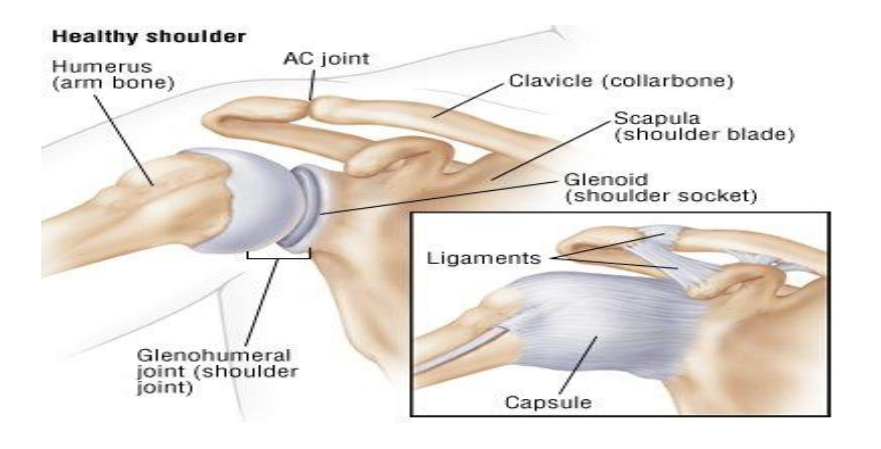
Common Causes of Shoulder Pain
- Rotator Cuff Injuries – Tears or inflammation in the rotator cuff muscles cause sharp pain and restricted movement.
- Frozen Shoulder (Adhesive Capsulitis) – A gradual stiffening of the shoulder capsule, leading to severe pain and immobility.
- Shoulder Impingement Syndrome – Compression of tendons between bones results in pain, particularly when lifting the arm.
- Bursitis – Inflammation of the fluid-filled sacs (bursae) in the shoulder, leading to swelling and discomfort.
- Tendinitis – Inflammation of the shoulder tendons due to repetitive motion or excessive strain.
- Arthritis – Degenerative joint diseases such as osteoarthritis can cause chronic pain and reduced flexibility.
Symptoms of Shoulder Injury
- Persistent or intermittent pain in the shoulder joint
- Weakness or inability to lift objects
- Stiffness and reduced range of motion
- Swelling or tenderness around the joint
- Clicking, popping, or grinding sensations
- Numbness or tingling in the arm
Diagnosis and Assessment
At PhysioElm, our physiotherapists conduct a comprehensive evaluation to identify the root cause of shoulder pain. Diagnosis typically involves:
- Physical Examination – Assessing strength, mobility, and tenderness.
- Posture Analysis – Evaluating improper alignment contributing to shoulder strain.
- Functional Movement Tests – Identifying biomechanical issues.
- Imaging Referrals – If necessary, X-rays, MRIs, or ultrasounds may be recommended.
Physiotherapy Treatment for Shoulder Injuries
Manual Therapy
Hands-on techniques such as joint mobilisation and myofascial release help restore movement and reduce stiffness.
Exercise Therapy
Strengthening and stabilisation exercises for the rotator cuff and scapular muscles improve function and prevent re-injury. Key exercises include:
- Isometric holds for pain management
- Resistance band training for strengthening
- Scapular stabilisation exercises to support shoulder alignment
Postural Correction
Poor posture is a significant contributor to shoulder pain. Physiotherapy sessions at PhysioElm incorporate ergonomic corrections and movement re-education to relieve strain.
Electrotherapy and Shockwave Therapy
Advanced treatments such as ultrasound therapy, TENS (Transcutaneous Electrical Nerve Stimulation), and shockwave therapy can accelerate healing and reduce inflammation.
Dry Needling and Acupuncture
For cases of chronic pain or nerve involvement, dry needling helps release trigger points, improving blood flow and reducing muscle tightness.
Taping and Bracing
Kinesiology taping provides joint support and muscle activation, while braces may be used in specific conditions requiring immobilisation.
Preventing Shoulder Injuries
Prevention is key to long-term recovery. Our physiotherapy team at PhysioElm recommends:
- Regular mobility exercises to maintain flexibility
- Strengthening rotator cuff muscles to prevent overuse injuries
- Correct posture and ergonomics to avoid strain, particularly for office workers and athletes
- Warming up before exercise to reduce risk of soft tissue injuries
Advanced Shoulder Rehab Programmes at PhysioElm
At PhysioElm, we provide structured rehabilitation plans customised for each patient. Whether recovering from surgery, managing chronic conditions, or dealing with sports-related injuries, our specialists ensure optimal recovery.
We offer:
- One-on-one physiotherapy sessions
- Sports injury rehabilitation
- Post-operative recovery programmes
- Specialist care for frozen shoulder, rotator cuff injuries, and arthritis
With a patient-centred approach, our goal is to restore mobility, reduce pain, and enhance quality of life. Book a consultation at PhysioElm today to start your recovery journey.
- Shoulder Pain and Stiffness Information and Advice – PDF

- Shoulder Pain – PDF
- Shoulder Pain – Patient Information Leaflet – PDF
- Rotator Cuff Related Shoulder Pain – PDF