

Carpal Tunnel Syndrome: Understanding Wrist Pain and Effective Pain Relief
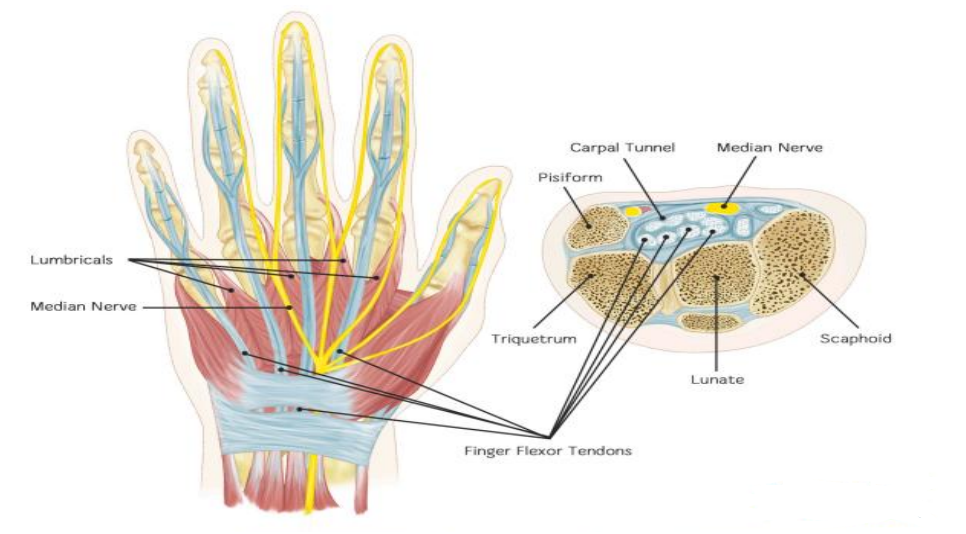
Carpal Tunnel Syndrome (CTS) is a common condition that affects the hand and wrist, leading to numbness, tingling, and pain. It occurs when the median nerve, which runs from the forearm into the palm, becomes compressed within the carpal tunnel. This condition can severely impact daily activities, making even simple tasks like typing, gripping, or lifting objects difficult.
Causes and Risk Factors
Carpal Tunnel Syndrome develops due to increased pressure on the median nerve within the wrist. Several factors contribute to this condition, including:
Repetitive Hand Movements
Prolonged or repetitive hand movements, especially in activities like typing, assembly line work, or excessive smartphone use, can increase the risk of CTS.
Underlying Health Conditions
Medical conditions such as diabetes, rheumatoid arthritis, and thyroid disorders can lead to swelling in the wrist, exacerbating nerve compression.
Pregnancy and Hormonal Changes
Hormonal fluctuations during pregnancy can cause fluid retention, leading to swelling in the carpal tunnel and increased pressure on the median nerve.
Wrist Injuries
Fractures, sprains, or other injuries to the wrist can alter the carpal tunnel’s structure, making nerve compression more likely.
Symptoms of Carpal Tunnel Syndrome
Recognising the symptoms early can prevent worsening of the condition. Common symptoms include:
- Tingling or numbness in the thumb, index, and middle fingers.
- Pain that radiates from the wrist to the arm or shoulder.
- Weakness in the hand, leading to difficulty gripping objects.
- Increased discomfort during the night or early morning.
Diagnosis and Medical Assessment
A proper diagnosis is essential to ensure effective treatment. Healthcare professionals use various techniques, including:
Physical Examination
Doctors assess symptoms by testing sensation in the fingers and strength in the hand muscles.
Nerve Conduction Studies
This test measures how efficiently electrical signals pass through the median nerve, identifying any nerve compression.
Electromyography (EMG)
EMG evaluates the electrical activity of muscles, helping to determine the severity of nerve damage.
Pain Relief and Non-Surgical Treatments
Early intervention can relieve tightness and pain associated with CTS. Non-surgical treatments include:
Physiotherapy
Physiotherapy plays a crucial role in pain management. Specialised exercises strengthen wrist and hand muscles, reducing nerve pressure. At PhysioElm, we design rehabilitation programmes that restore function and prevent recurrence.
Wrist Splints and Braces
Wearing a wrist splint at night prevents excessive bending of the wrist, reducing nerve compression and alleviating symptoms.
Hand and Wrist Exercises
Regular exercises improve mobility and reduce tension in the wrist. Common exercises include wrist flexor stretches and nerve gliding techniques.
Anti-Inflammatory Medication
Over-the-counter medications like ibuprofen help reduce swelling and discomfort.
Lifestyle Adjustments
Modifying daily activities to minimise repetitive strain is essential. Ergonomic improvements in workspaces, such as using wrist rests and adjusting keyboard height, significantly reduce pressure on the carpal tunnel.
Advanced Treatment Options
If symptoms persist despite conservative treatments, further intervention may be required.
Corticosteroid Injections
These injections reduce inflammation and provide temporary relief from pain and swelling.
Surgical Intervention
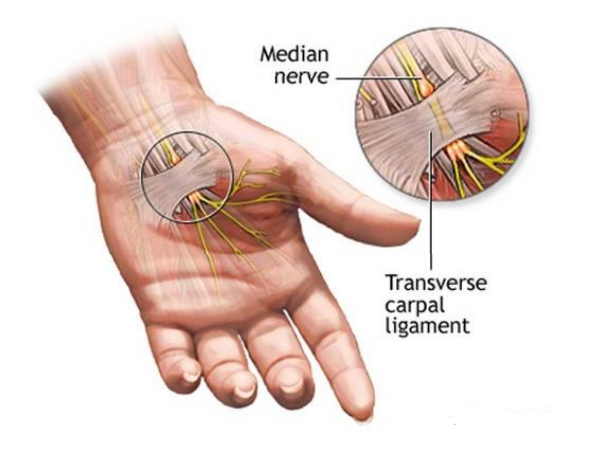
For severe cases, carpal tunnel release surgery may be recommended. The procedure involves cutting the transverse carpal ligament to relieve nerve compression, allowing more space for the median nerve.
How PhysioElm Can Help
At PhysioElm, we specialise in non-invasive therapies that relieve wrist pain and improve mobility. Our expert physiotherapists provide hands-on treatments, exercise programmes, and ergonomic advice to ensure long-term recovery. Whether you experience mild discomfort or chronic symptoms, our approach focuses on restoring function and preventing further injury. We take a holistic approach, addressing the root cause rather than just the symptoms, so you can regain strength and move freely again.
- Carpal Tunnel Syndrome: Information and Exercise Leaflet for Patients and Carers – PDF

- Making a Decision About Carpal Tunnel Syndrome (CTS) – PDF
- Carpal Tunnel Syndrome: Information for patients – PDF
- Carpal Tunnel Syndrome – PDF