

Spina Bifida: Understanding the Condition and Treatment Options
Spina bifida is a congenital condition affecting the spinal cord, where the neural tube does not fully close during foetal development. This condition can lead to physical and neurological impairments, requiring specialised care and physiotherapy for improved mobility and quality of life.
What Is Spina Bifida?
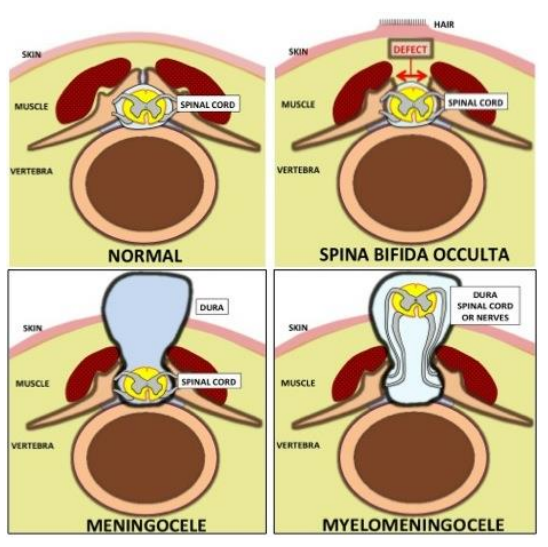
Spina bifida is a neural tube defect that occurs within the first month of pregnancy when the spinal column fails to develop completely. The severity of the condition varies, ranging from mild cases with no noticeable symptoms to severe forms that impact mobility and organ function.

There are three main types of spina bifida:
Spina Bifida Occulta
This is the mildest form, often discovered incidentally during imaging for unrelated issues. It occurs when small gaps form in the spinal bones but do not result in nerve damage. Many people with spina bifida occulta experience no symptoms.
Meningocele
This type involves a fluid-filled sac pushing through the spinal opening but without any involvement of the spinal nerves. It can cause minor disabilities but is generally less severe than other forms.
Myelomeningocele
The most severe form, myelomeningocele, results in an exposed spinal cord due to the lack of protective covering. It can lead to significant nerve damage, paralysis, bladder and bowel dysfunction, and hydrocephalus (fluid accumulation in the brain).
What Causes Spina Bifida?
The exact cause of spina bifida is not entirely understood, but several risk factors contribute to its development, including:
- Folic Acid Deficiency – Low levels of folic acid during pregnancy are linked to neural tube defects.
- Genetic Factors – A family history of neural tube defects can increase the risk.
- Maternal Health Conditions – Conditions such as diabetes and obesity during pregnancy have been associated with higher chances of spina bifida.
- Environmental Influences – Exposure to certain medications and toxins during pregnancy may also contribute.
Signs and Symptoms of Spina Bifida
The symptoms vary depending on the severity of the condition:
- Spina Bifida Occulta – Usually asymptomatic but can sometimes cause mild back pain or skin abnormalities over the affected area.
- Meningocele – May cause minor movement issues but often does not result in nerve damage.
- Myelomeningocele – Can lead to severe mobility challenges, hydrocephalus, loss of bowel and bladder control, and orthopaedic complications.
Diagnosis and Early Detection
Spina bifida is typically diagnosed through prenatal screening, including:
- Ultrasound Scans – High-resolution imaging can detect abnormalities in foetal development.
- Maternal Blood Tests – Elevated levels of alpha-fetoprotein (AFP) may indicate a neural tube defect.
- Amniocentesis – A sample of amniotic fluid can confirm the presence of spina bifida if abnormalities are suspected.
Paediatric Physiotherapy for Spina Bifida
Physiotherapy plays a vital role in managing spina bifida, especially for children with mobility challenges. Early intervention with paediatric physiotherapy can improve motor skills, strength, and coordination, enhancing overall independence.
Key Physiotherapy Approaches
- Muscle Strengthening – Exercises to improve lower limb function and prevent muscle atrophy.
- Gait Training – Techniques to support walking, including assistive devices like orthotic braces.
- Balance and Coordination Work – Activities to develop better posture and movement control.
- Hydrotherapy – Water-based exercises to promote muscle relaxation and joint mobility.
Medical and Surgical Treatment Options
For severe cases, surgical intervention may be required:
- Foetal Surgery – A prenatal procedure to close the spinal opening before birth, reducing complications.
- Postnatal Surgery – Performed shortly after birth to protect the spinal cord and prevent infections.
- Shunt Placement – To manage hydrocephalus by draining excess cerebrospinal fluid from the brain.
How PhysioElm Supports Children with Spina Bifida
PhysioElm provides specialised paediatric physiotherapy for children with spina bifida, helping them achieve greater mobility and independence. Our expert physiotherapists develop structured exercise programmes focusing on strength, coordination, and functional movement. We use advanced rehabilitation techniques, including hydrotherapy and assistive device training, to enhance quality of life. Our goal is to empower children with spina bifida by improving their ability to move, play, and engage in daily activities with confidence. Book an appointment today.
- Overview – Spina Bifida – PDF

- Spina Bifida: Post-natal Management – PDF
- Spina Bifida : Important Things To Know – PDF