

Osteoarthritis of the Hip and Knee: Causes, Symptoms & Treatment
Osteoarthritis (OA) is a progressive joint condition affecting millions worldwide, including a significant portion of the UK population. It primarily targets weight-bearing joints like the hip and knee, causing pain, stiffness, and reduced mobility. Understanding hip osteoarthritis symptoms, the stages of osteoarthritis of the hip, and the impact of osteoarthritis knee is crucial for early intervention.
What is Osteoarthritis of the Hip and Knee?
Osteoarthritis is a degenerative joint disease characterised by the gradual breakdown of cartilage, leading to joint pain and stiffness. Over time, the cushioning between the bones wears down, causing bone-on-bone friction, inflammation, and discomfort.
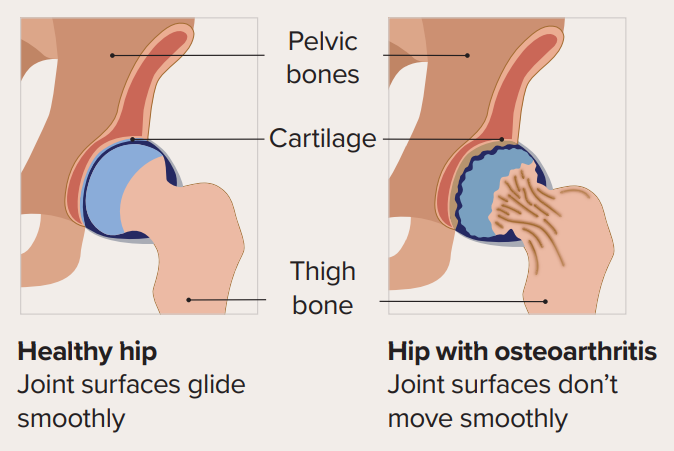
The hip and knee joints are among the most commonly affected areas, as they bear the body’s weight during movement. Without proper treatment, osteoarthritis hip and osteoarthritis knee can significantly impact mobility and quality of life.
Causes and Risk Factors of Hip and Knee Osteoarthritis
Several factors contribute to the development of hip osteoarthritis and knee arthritis symptoms:
- Ageing: Cartilage naturally wears down over time.
- Genetics: Family history increases the likelihood of developing osteoarthritis.
- Previous Injuries: Hip or knee trauma, such as fractures or ligament damage, can lead to OA.
- Obesity: Excess weight adds pressure to joints, accelerating cartilage breakdown.
- Repetitive Stress: Jobs or activities that involve repetitive joint use may increase the risk.
- Inflammation: Chronic inflammation can weaken the joint structure.
Hip Osteoarthritis Symptoms
The symptoms of osteoarthritis of the hip develop gradually and worsen over time. Common signs include:
- Pain in the hip joint that worsens with activity
- Stiffness, particularly after prolonged sitting or sleeping
- Reduced range of motion, making movements like bending or walking difficult
- Groin pain that may radiate down to the thigh or knee
- Grinding or clicking noises in the joint
- Weakness in surrounding muscles, leading to instability
Stages of Osteoarthritis of the Hip
Osteoarthritis hip progresses through four stages, each with increasing severity:
- Stage 1 (Minor OA): Small cartilage wear; minimal pain or stiffness.
- Stage 2 (Mild OA): Noticeable cartilage damage; occasional discomfort after activity.
- Stage 3 (Moderate OA): Significant cartilage loss; frequent pain and stiffness.
- Stage 4 (Severe OA): Near-total cartilage erosion; severe pain and difficulty moving.
Early diagnosis and intervention can slow progression and preserve joint function.
Osteoarthritis Knee and Knee Arthritis Symptoms
Like the hip, the knee joint is highly susceptible to osteoarthritis. Symptoms of osteoarthritis knee include:
- Knee pain during movement or after prolonged inactivity
- Swelling and inflammation around the joint
- Stiffness, particularly in the morning or after resting
- Cracking or popping sounds when bending or straightening the knee
- Instability, leading to a higher risk of falls
Non-Surgical Treatment Options for Hip and Knee Osteoarthritis
Although osteoarthritis is a chronic condition, various non-surgical treatments can help manage hip osteoarthritis symptoms and knee arthritis symptoms effectively.
Physiotherapy for Osteoarthritis
Physiotherapy is a highly effective treatment for osteoarthritis hip and osteoarthritis knee, offering personalised rehabilitation plans to strengthen muscles, improve flexibility, and reduce pain. Key physiotherapy interventions include:
- Manual therapy: Hands-on techniques to increase joint mobility.
- Strength training: Exercises to build muscle support around the affected joints.
- Gait training: Walking techniques to reduce joint strain.
- Electrotherapy: Ultrasound or TENS therapy for pain relief.
Exercise Therapy for Hip and Knee Osteoarthritis
Targeted exercises improve joint function and reduce discomfort. Osteoarthritis knee exercises and hip strengthening routines include:
- Low-impact aerobics (cycling, swimming) to maintain cardiovascular health
- Leg stretches to improve flexibility
- Balance exercises to enhance joint stability
Lifestyle Modifications
Simple changes can alleviate pain and prevent further joint damage:
- Weight management to reduce joint strain
- Using assistive devices like walking aids
- Heat and cold therapy to ease inflammation and stiffness
- Anti-inflammatory diet, rich in omega-3s and antioxidants
Surgical Interventions for Advanced Osteoarthritis
When non-surgical treatments no longer provide relief, surgical options may be considered:
- Hip replacement (total hip arthroplasty) for severe hip osteoarthritis
- Knee replacement (total or partial) for advanced knee osteoarthritis
- Arthroscopic surgery to remove loose cartilage fragments
Surgery is generally a last resort after conservative treatments have been exhausted.
How PhysioElm Can Help with Hip and Knee Osteoarthritis
At PhysioElm, we specialise in physiotherapy for osteoarthritis, helping individuals across the UK manage hip osteoarthritis symptoms, strengthen joints, and regain mobility. Our expert physiotherapists create personalised rehabilitation plans incorporating:
- Hands-on therapy to ease joint stiffness
- Bespoke exercise routines to strengthen muscles around the hip and knee
- Pain management techniques like ultrasound and electrotherapy
- Postural and gait correction to reduce strain on affected joints
With a holistic approach, we help clients restore movement, reduce discomfort, and improve long-term joint health—without reliance on medication or surgery. Book an appointment today to start your assessment.
- Hip Osteoarthritis – PDF

- Hip Osteoarthritis: Information for Patients – PDF
- Making a Decision About Hip Osteoarthritis – PDF
- Osteoarthritis of The Hip: Information & Advice- PDF
- Osteoarthritis (Oa) & Your Hip – PDF